Max Super Speciality Hospital, Wish Town, Sector - 128 NOIDA, U.P. - 201304

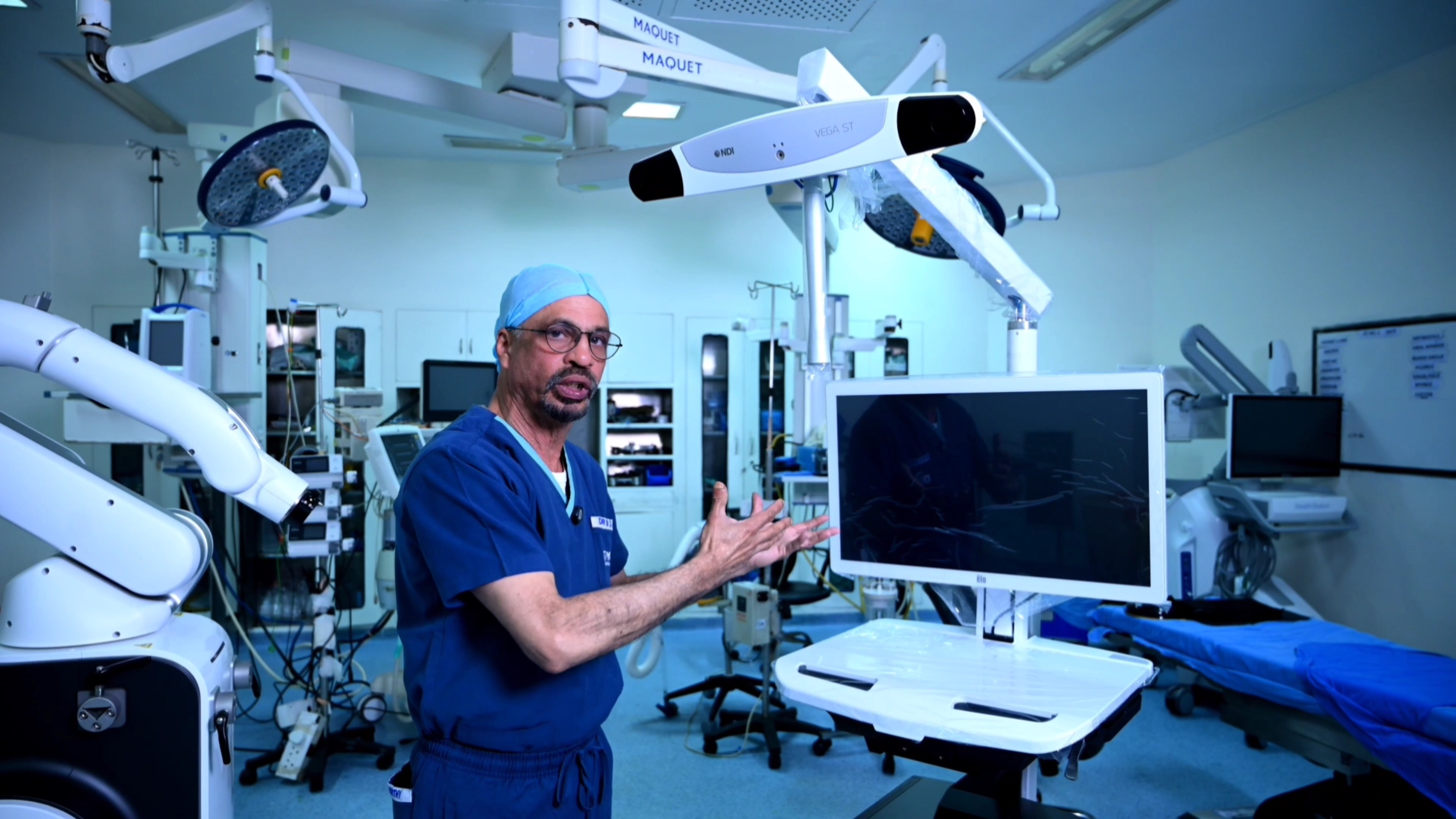
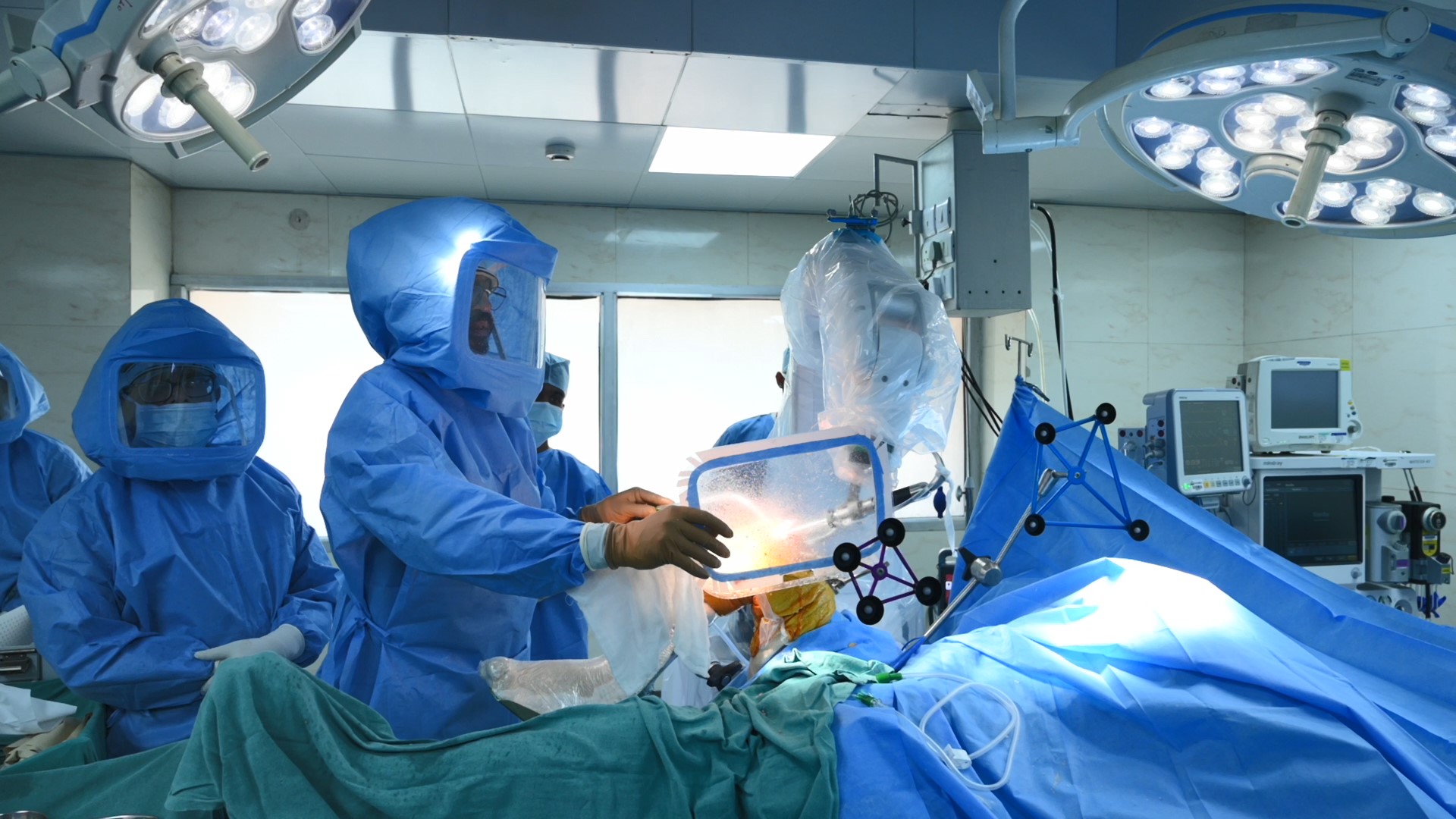
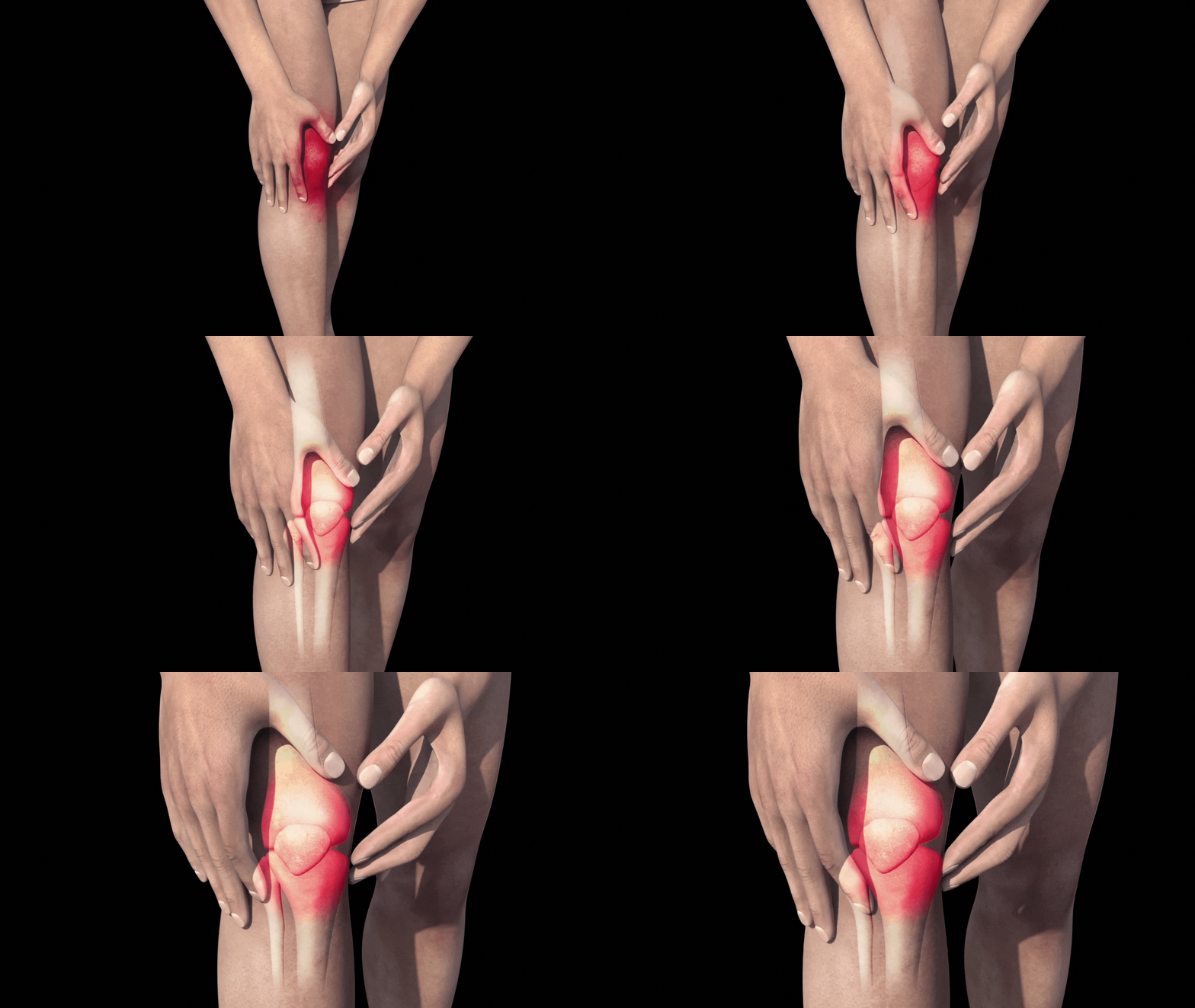
Knee replacement surgery has entered a new era of precision. Dr. (Prof) BS Murthy at Max Hospital Noida is demonstrating how robotic technology—driven by custom patient data—is eliminating the guesswork from joint surgery.
The "Pen Drive" Planning
The process begins long before the patient enters the operating room. Using a CT scan, a digital map of the patient's knee is created and stored on a pen drive [
Real-Time Precision
Inside the theater, an infrared camera picks up the patient's real-time anatomy and correlates it with the pre-planned data on the console [
The Human Touch
Despite the advanced tech, Dr. Murthy emphasizes that the "human brain" remains in control. The surgeon uses the robotic console to make final adjustments based on surgical skill, ensuring perfect balance and alignment for every individual [
No, the robot does not perform the surgery.
As Dr. (Prof) BS Murthy explains, the robotic system is a highly advanced assistant. The surgeon remains in full control, using the robot’s precision to execute the pre-planned bone cuts and implant placement with sub-millimeter accuracy. Think of it as a GPS for surgery that ensures 100% alignment.
Most patients can resume daily activities within 4 to 6 weeks.
Because robotic technology allows for smaller incisions and minimal tissue damage, the recovery is significantly faster than traditional methods. Many patients at Max Hospital Noida are able to stand and walk with assistance within 24–48 hours of the procedure.
Modern robotic-assisted implants typically last 15 to 20 years or more.
The longevity of an implant depends heavily on its alignment. Because Dr. BS Murthy uses robotic data to ensure "perfect fit" and balance, there is less wear and tear over time, significantly reducing the risk of a second (revision) surgery.
In Delhi NCR, the cost typically ranges from ₹2.5 lakhs to ₹4.5 lakhs per knee.
While robotic-assisted surgery may have a slightly higher upfront cost than traditional surgery, the benefits—such as a shorter hospital stay, faster return to work, and higher implant durability—often make it a more cost-effective long-term investment.