
Max Super Speciality Hospital, Wish Town, Sector - 128 NOIDA, U.P. - 201304

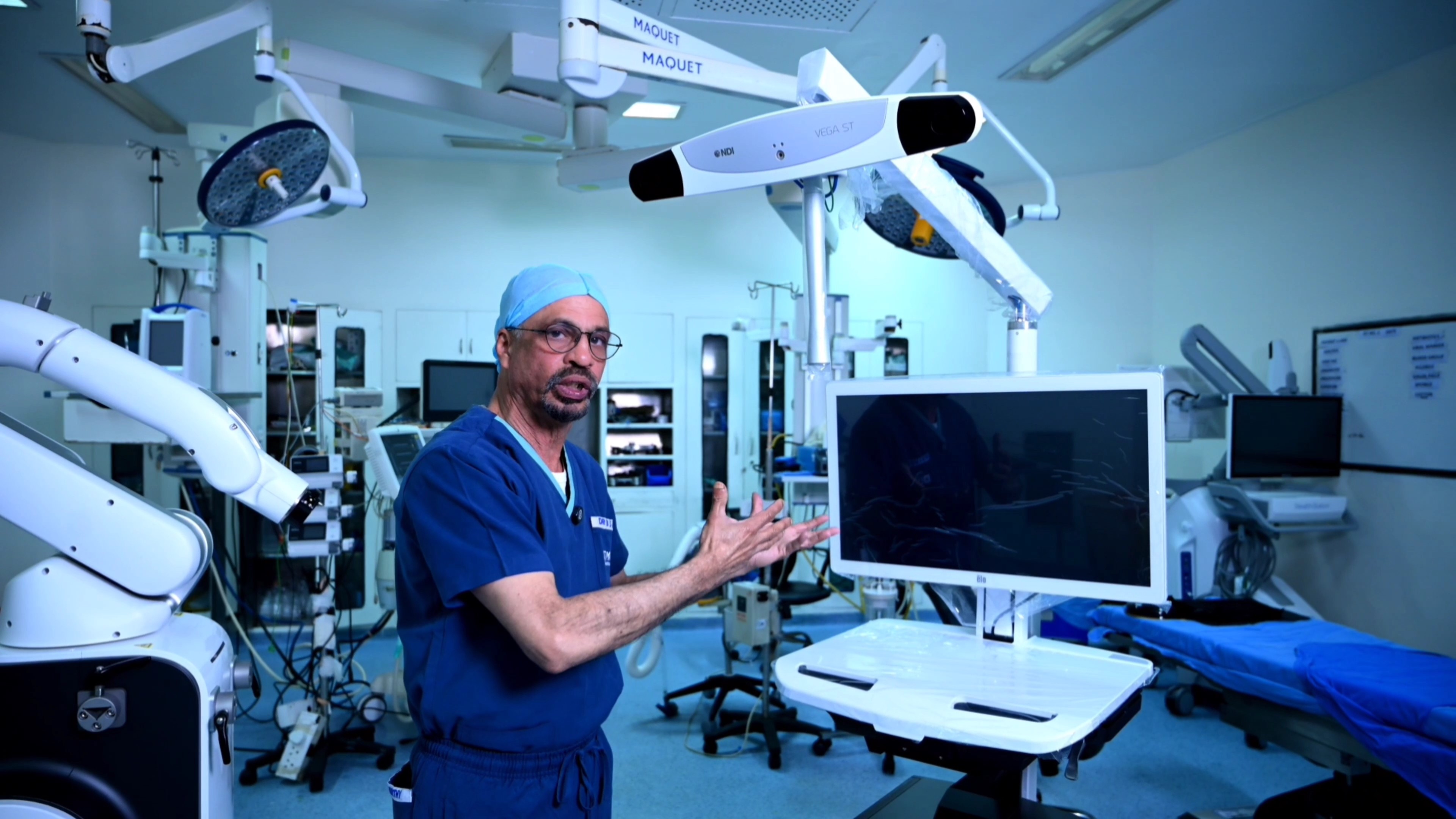
Robotic knee replacement is an advanced surgical technique that enhances accuracy, balance, and alignment during knee replacement surgery. In this educational awareness video, renowned orthopedic surgeon Dr BS Murthy explains how modern robotic technology is transforming joint replacement procedures for better patient outcomes.
According to Dr BS Murthy, the robot does not perform the surgery independently. Instead, it assists the surgeon with extreme precision. The surgeon guides the robot, and the robotic system executes specific steps with high accuracy, ensuring controlled and safe bone cuts while protecting surrounding tissues.
This human + robotic collaboration improves surgical reliability and reduces chances of manual error during complex joint replacement procedures.
Dr BS Murthy highlights several major advantages of robotic-assisted knee replacement:
Higher surgical precision
Less blood loss during surgery
Smaller incision (minimally invasive approach)
Better alignment and joint balance
Faster recovery and reduced post-operative pain
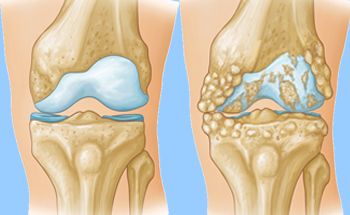
These benefits make robotic knee replacement a preferred option for many patients suffering from severe knee arthritis and mobility issues.
One of the most important aspects of knee replacement, as explained by Dr BS Murthy, is achieving correct alignment and balance of the knee joint. Proper alignment directly affects mobility, walking comfort, and long-term implant success.
With robotic technology, surgeons can achieve highly accurate alignment and optimal joint balance, which is difficult to maintain consistently with traditional techniques.
In the video, Dr BS Murthy explains that the hospital is using one of the latest fourth-generation robotic systems for knee replacement surgery. This advanced robot helps in:
Precision bone cutting
Tissue protection
Real-time surgical planning
Enhanced implant positioning
The system ensures that every movement is controlled and guided by the surgeon’s expertise combined with computer-assisted precision.
Because robotic knee replacement involves minimal tissue damage and precise surgical execution, patients typically experience:
Reduced post-surgery pain
Quicker rehabilitation
Early return to daily activities
Dr BS Murthy emphasizes that robotic-assisted surgery represents the future of joint replacement and is here to stay due to its safety, precision, and improved patient outcomes.



Share This News